
Traditional Real Estate vs Fractional Real Estate Ownership on Blockchain
#RWA #DeFi
By Millionaire Realty
---
Introduction
Real estate has long been regarded as one of the most reliable and wealth-generating asset classes in the world. From residential homes to commercial skyscrapers, property ownership has historically been associated with stability, long-term appreciation, and passive income. However, traditional real estate investing comes with significant barriers—high capital requirements, illiquidity, complex legal frameworks, and limited accessibility.
Enter blockchain technology and the rise of fractional real estate ownership, a model that is reshaping how individuals interact with property markets. Powered by innovations in Real World Assets (RWA) and Decentralized Finance (DeFi), this new approach is democratizing access to real estate and introducing unprecedented efficiency, transparency, and liquidity.
This article explores the differences between traditional real estate and blockchain-based fractional ownership, highlighting their advantages, limitations, and future potential.
---
Understanding Traditional Real Estate Ownership
Traditional real estate ownership refers to the direct purchase of property—either individually or through partnerships—where the buyer holds full or majority ownership.
Key Characteristics
1. High Capital Requirement
Purchasing property requires substantial upfront investment, including down payments, registration fees, and taxes.
2. Full Control
Owners have complete authority over property decisions such as leasing, selling, or renovation.
3. Long-Term Investment
Real estate is typically held for long durations to maximize appreciation and rental income.
4. Illiquidity
Selling a property can take months or even years, making it difficult to access capital quickly.
5. Intermediary Dependency
Transactions involve brokers, banks, lawyers, and government authorities.
---
Advantages of Traditional Real Estate
1. Tangible Asset Ownership
Physical ownership provides a sense of security and control.
2. Stable Returns
Rental income and appreciation offer predictable long-term returns.
3. Leverage Opportunities
Investors can use loans or mortgages to acquire high-value assets.
4. Tax Benefits
In many jurisdictions, property owners enjoy tax deductions on loans and depreciation.
---
Limitations of Traditional Real Estate
Despite its strengths, traditional real estate has several drawbacks:
- High entry barrier limits participation to wealthy investors
- Lack of liquidity makes exiting investments slow
- Geographical constraints restrict diversification
- Operational burden including maintenance and tenant management
- Opaque processes prone to fraud or inefficiencies
These limitations have paved the way for innovation through blockchain.
---
What is Fractional Real Estate Ownership on Blockchain?
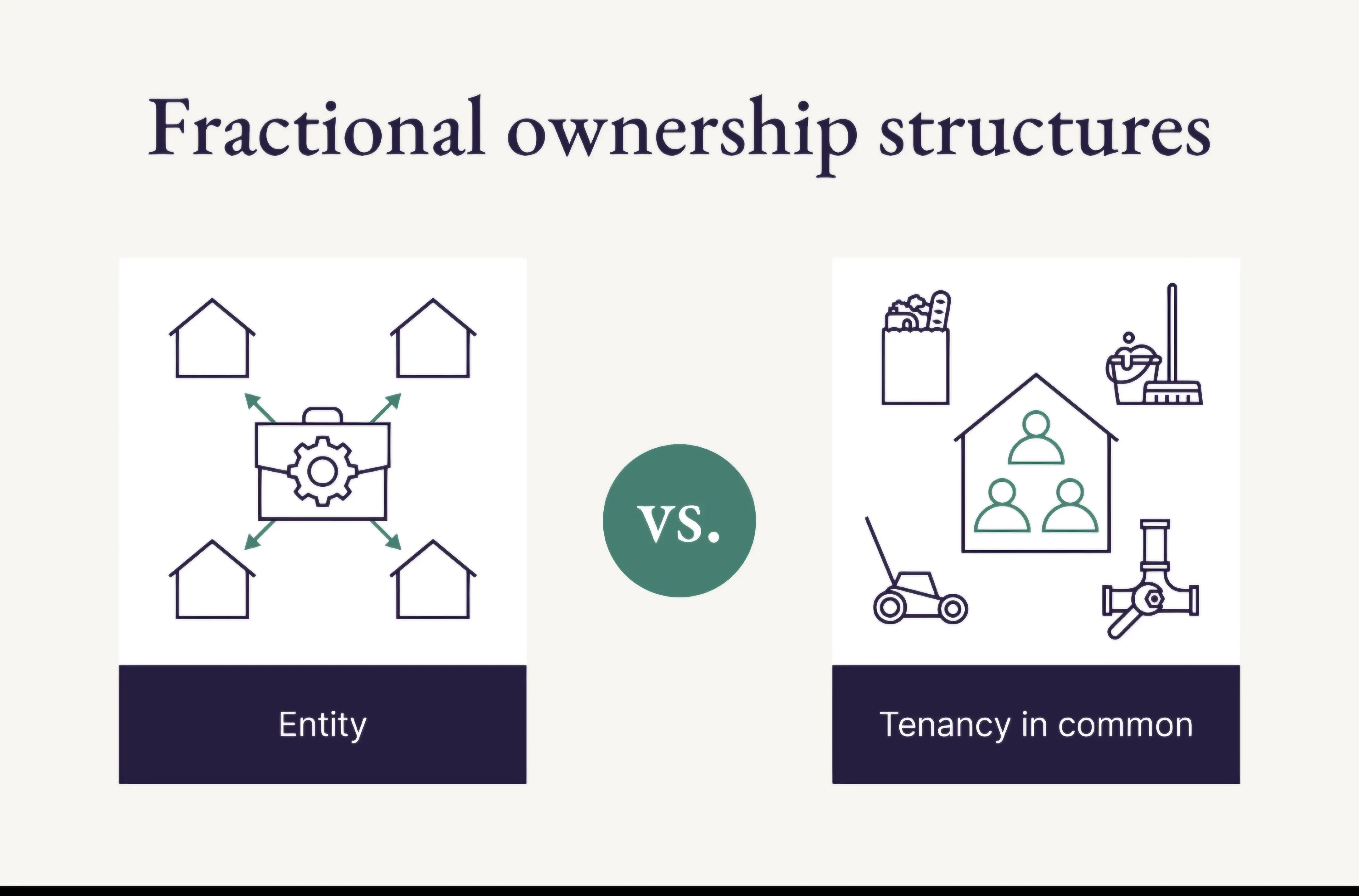
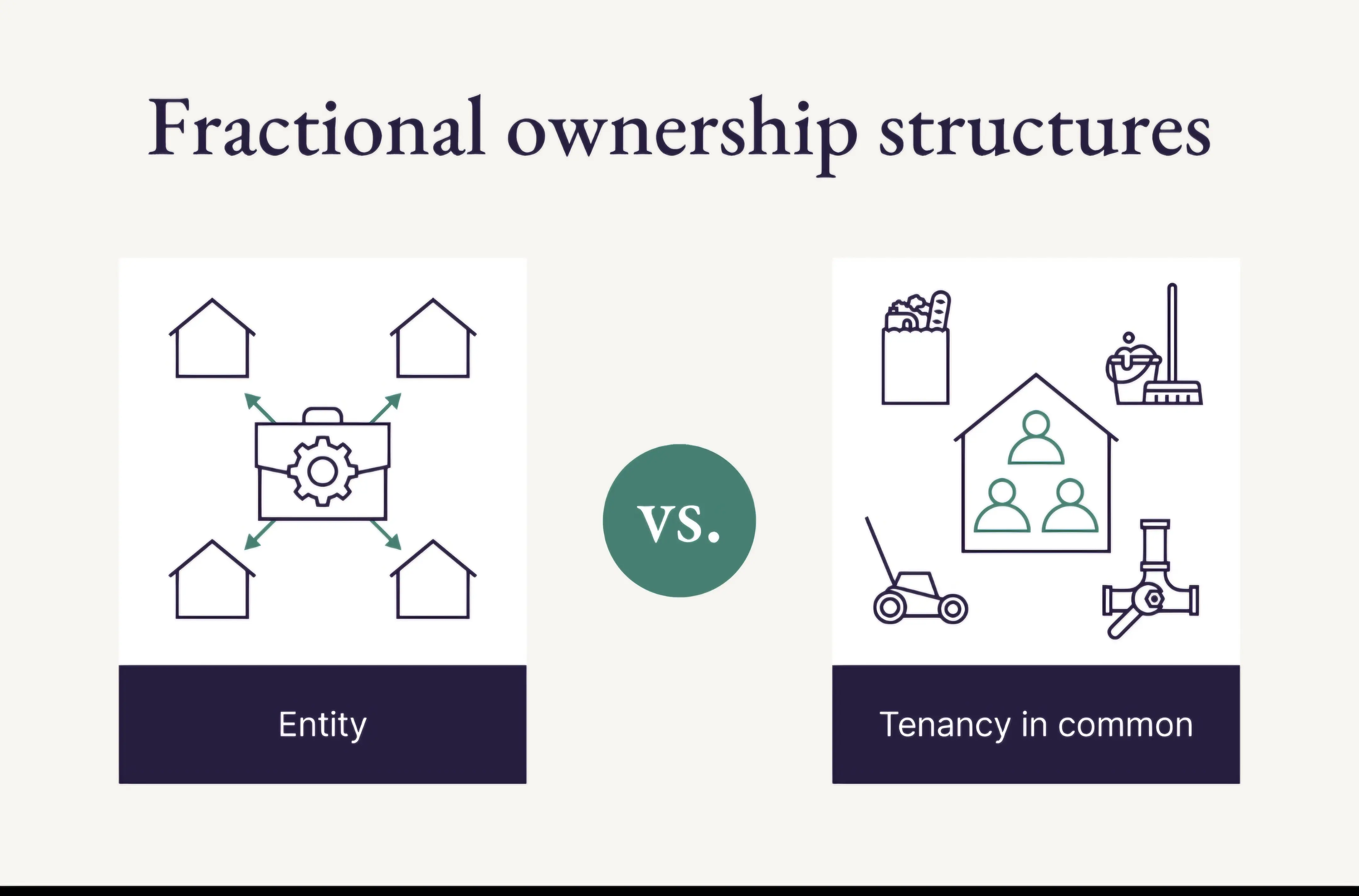
Fractional real estate ownership allows multiple investors to own portions of a property through digital tokens recorded on a blockchain.
Each property is divided into smaller units, often represented as tokens, enabling investors to purchase shares according to their budget.
This concept falls under Real World Assets (RWA)—tokenizing physical assets—and is powered by DeFi, which removes intermediaries and automates transactions.
---
How Blockchain Enables Fractional Ownership
1. Tokenization
Properties are converted into digital tokens representing ownership shares.
2. Smart Contracts
Automated agreements handle transactions, rent distribution, and compliance.
3. Decentralization
Ownership records are stored on a distributed ledger, ensuring transparency.
4. Secondary Markets
Tokens can be traded, offering liquidity rarely seen in traditional real estate.
---
Advantages of Fractional Real Estate on Blockchain
1. Low Entry Barrier
Investors can start with small amounts, making real estate accessible to everyone.
2. Enhanced Liquidity
Unlike physical property, tokens can be bought and sold easily.
3. Global Accessibility
Investors can participate in international markets without physical presence.
4. Transparency
Blockchain ensures all transactions are immutable and verifiable.
5. Diversification
Investors can spread capital across multiple properties and locations.
6. Passive Income Automation
Rental income is distributed automatically through smart contracts.
---
Limitations of Fractional Blockchain Real Estate
While revolutionary, this model has challenges:
- Regulatory uncertainty in many countries
- Technology risks including smart contract vulnerabilities
- Market volatility influenced by crypto sentiment
- Limited awareness among traditional investors
- Platform dependency on the reliability of service providers
---
Traditional vs Fractional Real Estate: A Comparative Analysis
Feature| Traditional Real Estate| Fractional Blockchain Real Estate
Investment Size| High| Low
Ownership| Full or majority| Shared (tokenized)
Liquidity| Low| High
Accessibility| Limited| Global
Transaction Speed| Slow| Fast
Transparency| Moderate| High
Management Effort| High| Low
Diversification| Limited| Easy
---
The Role of RWA (Real World Assets)
RWA bridges the gap between physical assets and digital finance. By tokenizing real estate:
- Physical properties gain digital representation
- Investors can access real estate like stocks or crypto
- Capital markets become more inclusive
Real estate is one of the most promising sectors in RWA due to its size and stability.
---
The Impact of DeFi on Real Estate
DeFi introduces financial services without intermediaries. In real estate, it enables:
- Peer-to-peer investments
- Automated income distribution
- Decentralized exchanges for property tokens
- Collateralization of real estate tokens for loans
This transforms real estate from a static asset into a dynamic financial instrument.
---
Why Fractional Ownership is Gaining Popularity
1. Changing Investor Demographics
Young investors prefer flexible, tech-driven solutions.
2. Digital Transformation
Blockchain adoption is accelerating globally.
3. Demand for Passive Income
Automated returns appeal to modern investors.
4. Financial Inclusion
People from emerging markets can now invest globally.
---
Use Cases of Blockchain Real Estate
- Residential apartments
- Commercial office spaces
- Luxury villas
- Hotels and resorts
- Co-living and co-working spaces
---
Risk Comparison
Traditional Real Estate Risks
- Market downturns
- Property damage
- Tenant defaults
- Legal disputes
Blockchain Real Estate Risks
- Smart contract bugs
- Regulatory changes
- Platform failures
- Token price volatility
---
The Future of Real Estate Investment
The future lies in the integration of traditional and blockchain systems. Rather than replacing traditional real estate, fractional ownership complements it by:
- Increasing liquidity
- Expanding access
- Enhing efficiency
We are likely to see hybrid models where physical ownership and tokenization coexist.
---
Why Choose Millionaire Realty
Millionaire Realty is committed to bringing innovation to real estate investment. By embracing blockchain and fractional ownership, the platform aims to:
- Empower investors of all sizes
- Provide transparent and secure opportunities
- Simplify complex real estate processes
- Build a future-ready investment ecosystem
The vision is clear: make wealth creation accessible, scalable, and intelligent.
---
Conclusion
Traditional real estate has stood the test of time as a reliable investment vehicle. However, its limitations—high costs, low liquidity, and restricted access—have created a need for innovation.
Fractional real estate ownership on blockchain, powered by RWA and DeFi, is addressing these challenges by democratizing access, increasing liquidity, and enhancing transparency.
While still evolving, this model represents the future of real estate investing—one that is inclusive, efficient, and globally connected.
For modern investors looking to balance stability with innovation, the choice is no longer between traditional and digital—it is about leveraging the strengths of both.
---
Dream it. Believe it. Achieve it.
With Millionaire RealtyIf you want, I can also:
Convert this into a PDF or brochure
Turn it into a LinkedIn article or blog post
Add infographics or charts for presentation use
#RWA #DeFi
By Millionaire Realty
---
Introduction
Real estate has long been regarded as one of the most reliable and wealth-generating asset classes in the world. From residential homes to commercial skyscrapers, property ownership has historically been associated with stability, long-term appreciation, and passive income. However, traditional real estate investing comes with significant barriers—high capital requirements, illiquidity, complex legal frameworks, and limited accessibility.
Enter blockchain technology and the rise of fractional real estate ownership, a model that is reshaping how individuals interact with property markets. Powered by innovations in Real World Assets (RWA) and Decentralized Finance (DeFi), this new approach is democratizing access to real estate and introducing unprecedented efficiency, transparency, and liquidity.
This article explores the differences between traditional real estate and blockchain-based fractional ownership, highlighting their advantages, limitations, and future potential.
---
Understanding Traditional Real Estate Ownership
Traditional real estate ownership refers to the direct purchase of property—either individually or through partnerships—where the buyer holds full or majority ownership.
Key Characteristics
1. High Capital Requirement
Purchasing property requires substantial upfront investment, including down payments, registration fees, and taxes.
2. Full Control
Owners have complete authority over property decisions such as leasing, selling, or renovation.
3. Long-Term Investment
Real estate is typically held for long durations to maximize appreciation and rental income.
4. Illiquidity
Selling a property can take months or even years, making it difficult to access capital quickly.
5. Intermediary Dependency
Transactions involve brokers, banks, lawyers, and government authorities.
---
Advantages of Traditional Real Estate
1. Tangible Asset Ownership
Physical ownership provides a sense of security and control.
2. Stable Returns
Rental income and appreciation offer predictable long-term returns.
3. Leverage Opportunities
Investors can use loans or mortgages to acquire high-value assets.
4. Tax Benefits
In many jurisdictions, property owners enjoy tax deductions on loans and depreciation.
---
Limitations of Traditional Real Estate
Despite its strengths, traditional real estate has several drawbacks:
- High entry barrier limits participation to wealthy investors
- Lack of liquidity makes exiting investments slow
- Geographical constraints restrict diversification
- Operational burden including maintenance and tenant management
- Opaque processes prone to fraud or inefficiencies
These limitations have paved the way for innovation through blockchain.
---
What is Fractional Real Estate Ownership on Blockchain?
Fractional real estate ownership allows multiple investors to own portions of a property through digital tokens recorded on a blockchain.
Each property is divided into smaller units, often represented as tokens, enabling investors to purchase shares according to their budget.
This concept falls under Real World Assets (RWA)—tokenizing physical assets—and is powered by DeFi, which removes intermediaries and automates transactions.
---
How Blockchain Enables Fractional Ownership
1. Tokenization
Properties are converted into digital tokens representing ownership shares.
2. Smart Contracts
Automated agreements handle transactions, rent distribution, and compliance.
3. Decentralization
Ownership records are stored on a distributed ledger, ensuring transparency.
4. Secondary Markets
Tokens can be traded, offering liquidity rarely seen in traditional real estate.
---
Advantages of Fractional Real Estate on Blockchain
1. Low Entry Barrier
Investors can start with small amounts, making real estate accessible to everyone.
2. Enhanced Liquidity
Unlike physical property, tokens can be bought and sold easily.
3. Global Accessibility
Investors can participate in international markets without physical presence.
4. Transparency
Blockchain ensures all transactions are immutable and verifiable.
5. Diversification
Investors can spread capital across multiple properties and locations.
6. Passive Income Automation
Rental income is distributed automatically through smart contracts.
---
Limitations of Fractional Blockchain Real Estate
While revolutionary, this model has challenges:
- Regulatory uncertainty in many countries
- Technology risks including smart contract vulnerabilities
- Market volatility influenced by crypto sentiment
- Limited awareness among traditional investors
- Platform dependency on the reliability of service providers
---
Traditional vs Fractional Real Estate: A Comparative Analysis
Feature| Traditional Real Estate| Fractional Blockchain Real Estate
Investment Size| High| Low
Ownership| Full or majority| Shared (tokenized)
Liquidity| Low| High
Accessibility| Limited| Global
Transaction Speed| Slow| Fast
Transparency| Moderate| High
Management Effort| High| Low
Diversification| Limited| Easy
---
The Role of RWA (Real World Assets)
RWA bridges the gap between physical assets and digital finance. By tokenizing real estate:
- Physical properties gain digital representation
- Investors can access real estate like stocks or crypto
- Capital markets become more inclusive
Real estate is one of the most promising sectors in RWA due to its size and stability.
---
The Impact of DeFi on Real Estate
DeFi introduces financial services without intermediaries. In real estate, it enables:
- Peer-to-peer investments
- Automated income distribution
- Decentralized exchanges for property tokens
- Collateralization of real estate tokens for loans
This transforms real estate from a static asset into a dynamic financial instrument.
---
Why Fractional Ownership is Gaining Popularity
1. Changing Investor Demographics
Young investors prefer flexible, tech-driven solutions.
2. Digital Transformation
Blockchain adoption is accelerating globally.
3. Demand for Passive Income
Automated returns appeal to modern investors.
4. Financial Inclusion
People from emerging markets can now invest globally.
---
Use Cases of Blockchain Real Estate
- Residential apartments
- Commercial office spaces
- Luxury villas
- Hotels and resorts
- Co-living and co-working spaces
---
Risk Comparison
Traditional Real Estate Risks
- Market downturns
- Property damage
- Tenant defaults
- Legal disputes
Blockchain Real Estate Risks
- Smart contract bugs
- Regulatory changes
- Platform failures
- Token price volatility
---
The Future of Real Estate Investment
The future lies in the integration of traditional and blockchain systems. Rather than replacing traditional real estate, fractional ownership complements it by:
- Increasing liquidity
- Expanding access
- Enhing efficiency
We are likely to see hybrid models where physical ownership and tokenization coexist.
---
Why Choose Millionaire Realty
Millionaire Realty is committed to bringing innovation to real estate investment. By embracing blockchain and fractional ownership, the platform aims to:
- Empower investors of all sizes
- Provide transparent and secure opportunities
- Simplify complex real estate processes
- Build a future-ready investment ecosystem
The vision is clear: make wealth creation accessible, scalable, and intelligent.
---
Conclusion
Traditional real estate has stood the test of time as a reliable investment vehicle. However, its limitations—high costs, low liquidity, and restricted access—have created a need for innovation.
Fractional real estate ownership on blockchain, powered by RWA and DeFi, is addressing these challenges by democratizing access, increasing liquidity, and enhancing transparency.
While still evolving, this model represents the future of real estate investing—one that is inclusive, efficient, and globally connected.
For modern investors looking to balance stability with innovation, the choice is no longer between traditional and digital—it is about leveraging the strengths of both.
---
Dream it. Believe it. Achieve it.
With Millionaire RealtyIf you want, I can also:
Convert this into a PDF or brochure
Turn it into a LinkedIn article or blog post
Add infographics or charts for presentation use










 :
:









 :
: